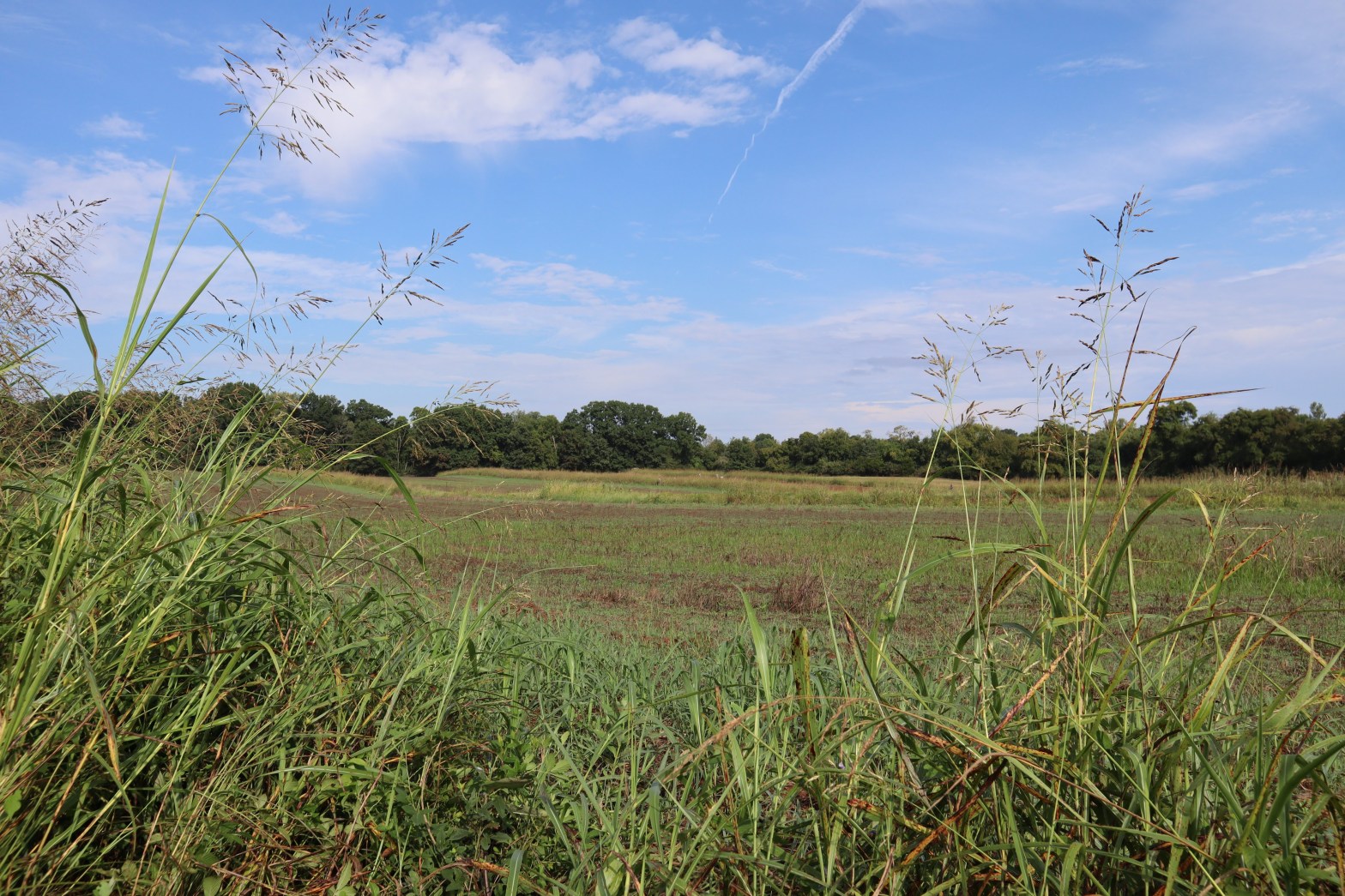
Dove hunting is lots of fun. It doesn’t require much equipment, you get to shoot a lot, and the weather (especially in the early season) can be quite pleasant. In my mind, dove hunting is like an appetizer for the rest of the hunting season: small portions and lots of zest.
I decided to be in position at the public dove hunting field by shooting light, 30 minutes before sunrise. I haven’t hunted doves a whole lot, and I wanted to get a first-hand sense of the bird movement throughout the morning. I positioned myself in a strip of brush about 40 yards off a corner of timber that was sticking out into the field. I had e-scouted the night before, and I figured the birds would follow that timber when entering the field. I turned out to be right, and I got my first shot at a pair of mourning doves just before sunrise.
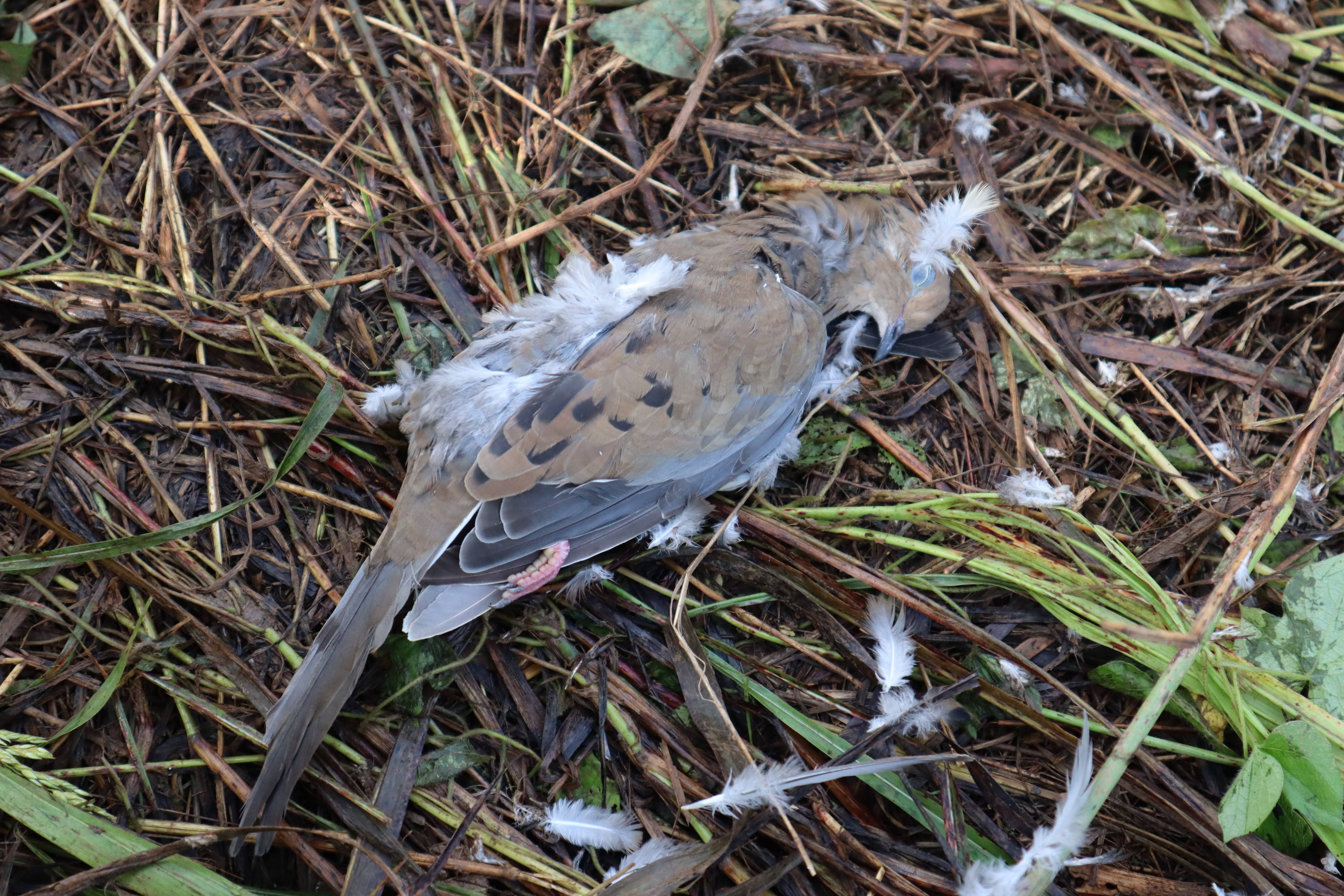
What I expected to be a fun, low pressure hunt turned stressful when I hit my first dove. I was pass shooting and the shots were fairly long. As two doves zipped high overhead, I hit the one to the right. In a moment of confidence, I swung for the second dove, neglecting to watch closely where the first one fell. I missed the second dove, and then went to retrieve the first. Unfortunately, the bird had fallen into the same strip of brush that I was hidden in, further up the length of the field. Most of the field was cut short, and I hadn’t expected the brush to be an issue. I did my due diligence and searched for the bird up and down the row extensively, but I couldn’t find a feather. This put a damper on things from the start.
When I shot my second bird, I marked where it fell intently. It fell close to the row of brush, but still, I thought, in the field. To my dismay, when I got to the spot where I saw it fall there was no bird on the ground. Once again I started searching the brush. After ten minutes, I still couldn’t locate the bird. At this point, I figured if that I couldn’t find the bird I probably needed to go home. I really didn’t want to waste any more animals, and maybe today just wasn’t my day.
Two other hunters in the field had also marked where my dove went down, and were just as perplexed as I when I couldn’t find it. Finally, after 10 more minutes of searching, I saw a tiny poof of feathers and a three inch tunnel into the grass. I squatted down and looked inside. There was the bird, still alive. It turns out I had hit both wings, knocking it down on the edge of the brush. It must have then run into the grass and concealed itself. I quickly dispatched it and headed back to my shooting position.
I killed one other dove and recovered it routinely. But after the events of the morning, it was a mental struggle to stay positive, be persistant, and remember that I’m blessed to get a chance to hunt doves in the first place. The rest of the hunt went well, even as the action slowed down around 8:45 am. I missed an opportunity to kill a groundhog as I hastily googled, “are groundhogs good to eat?” in my broken phone, but I did kill a “bonus” squirrel as I walked out.
I learned a lot on this hunt, and here are a few considerations I’ll keep in mind next time I go:
- It’s great to hit doves, but I’d rather err on the side of authority in order to kill them outright and increase my chances of recovery. I might size up my shot, tighten my choke, and/or better restrict my shot distances to avoid wounding birds. More practice shooting clays would also help.
- Marking your own birds when they go down is important, but it’s just as important to mark other peoples’ birds. It might make the difference between a recovered bird and a bad hunt.
- I didn’t mention this earlier, but it’s really important to get a good idea of what doves look like in the air. I found myself swinging on killdeer more than once, which I believe are protected birds. Thankfully I didn’t shoot any, and avoided having to make an uncomfortable call to the fish and game agency. I could have better prepared by watching some dove hunting footage before my hunt.
 Persistence Outdoors